Running B2B Wholesale and B2C Retail From One Platform: When It Works, When It Doesn't
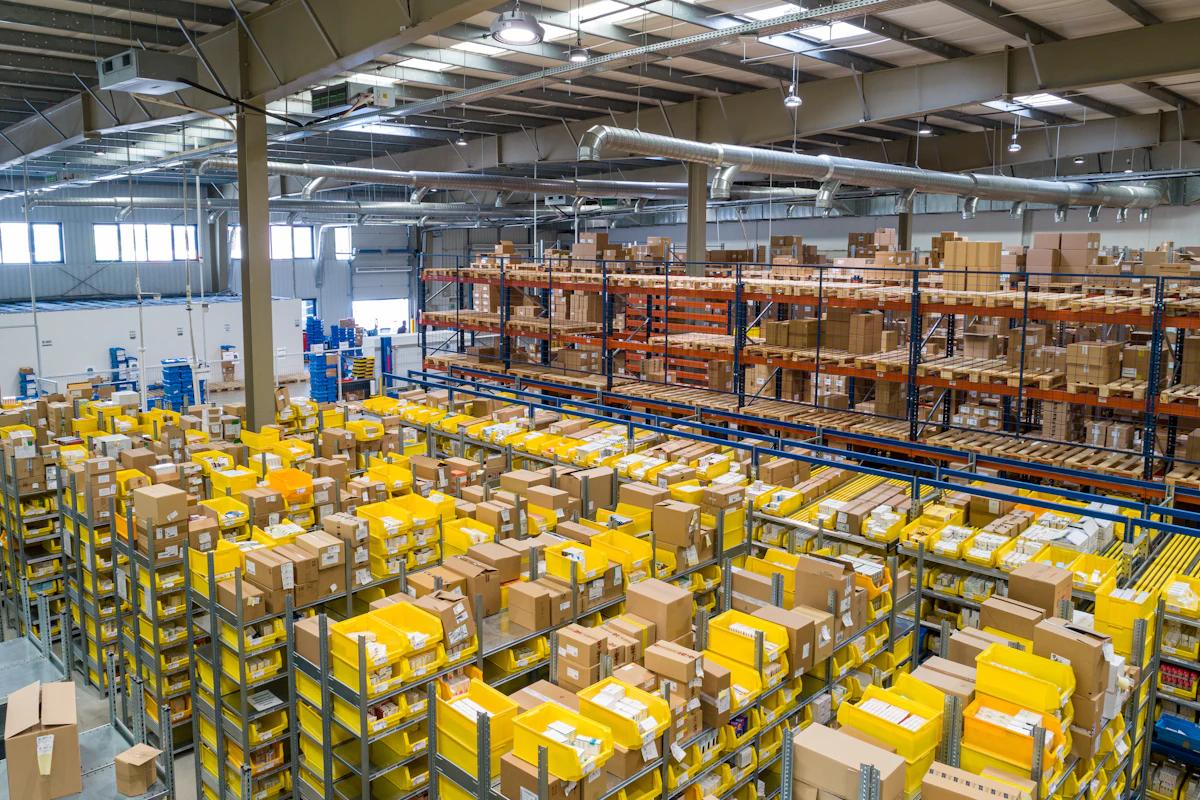
It usually starts with a phone call you didn't plan for. You run a distribution business selling to trade customers, and someone wants two units instead of a pallet: a tradesperson, a small workshop, occasionally a private buyer who found you on Google. Quoting them your wholesale terms makes no sense, and turning them away hands the margin to whoever sells retail nearby. So the question lands on your desk: should retail live on the same platform as wholesale, or stay separate?
The honest answer depends on how you sell, not on what the software can technically do. Plenty of distributors run both channels from one backend and never look back. Others try it, irritate their trade buyers, and quietly close the retail shop a few months later. Here is the operational reality behind both outcomes.
One backend, two front doors
The setup that holds up over time is simple: a single backend for your stock, your product catalogue, and one connection to your ERP, with two separate storefronts on top. Your trade customer logs into a B2B portal, sees net prices, their negotiated discounts, invoices, and credit balance, and orders by the pallet. A retail buyer lands on a normal shop with gross prices including VAT, a cart, card payment, and a parcel to their door. Neither knows the other exists.
What they share is the part that is expensive to maintain twice. The same warehouse quantity feeds both shops, so when a pallet leaves on a wholesale order, the retail shop knows the stock is gone within the next sync cycle. You describe a product once, and both channels read from it. And there is one ERP integration, not two, which is where the real saving sits.
Where pricing and tax diverge
Shared stock is the easy part. Pricing and tax are where the two channels genuinely differ, and treating them as the same thing causes problems fast. Wholesale runs on net prices, per-customer price lists, and group discounts a buyer only sees after logging in. Retail runs on gross prices with VAT already shown, because a consumer comparing your shop to another expects the final figure, not a base price plus a tax line to work out themselves.
On Selldi these are separate pricing layers on one product. A 25 kg bag of mortar carries its base wholesale price, a group price for your trade tier, and a gross retail price with VAT on top. Your ERP stays the source of truth; the platform syncs prices, stock, and orders both ways, somewhere between every 15 and 60 minutes. For DACH operators that means your accounting system, whatever it is, drives both channels through one API connection, with no second set of figures to reconcile by hand.
A normal day with both channels live
Picture a Tuesday. A regular trade buyer logs into the B2B portal, repeats their last order in two clicks, and checks their open balance before confirming. In the warehouse, someone scans an EAN or GTIN barcode with their phone, no app to install. Overnight a retail order drops in from a private customer who paid by card, and it lands in the same ERP as every wholesale order, tagged as retail with VAT handled. The PDF and Excel orders that still arrive from older trade customers get read by the AI order-entry feature and pushed into the ERP, with nobody retyping line items.
When this is not worth it
Be honest before you switch anything on. If your trade customers see you as their distributor and then notice you selling retail to their end customers, you may have a conversation you would rather avoid. Some distributors solve this with a separate retail brand; others decide the channel conflict isn't worth the extra margin and stay wholesale only. Software won't fix a positioning problem.
The second catch is operational. Retail is single-parcel packing instead of palletised loads, consumer returns, and end-customer support under consumer-protection rules that, in the DACH market, are not loose. Without the people and logistics for individual shipments and returns, a retail shop creates more work than margin. And if your retail range would differ completely from your trade range, the shared-catalogue benefit mostly disappears.
How to decide, and how to see it
A practical rule: start where your customers already are. Most launch B2B first, then add retail later as a higher-margin top-up once the wholesale side is steady. What matters is that you can add the second channel without replacing the first. With Selldi you can run B2B, B2C, or both on one backend; rollout takes around two weeks, and there is no commission on sales, just an implementation fee plus a subscription, quoted per case.
The fastest way to judge whether two channels fit is to click through both on the same stock. The Selldi demo at demo.selldi.pl/showcase runs a B2C shop and a B2B portal on one shared catalogue, so you can compare the same product as a wholesale buyer and a retail customer would see it. To talk it through against your own numbers, reach the team at helpdesk@selldi.pl.