B2B and B2C on One Platform: One Catalogue, Two Buyers

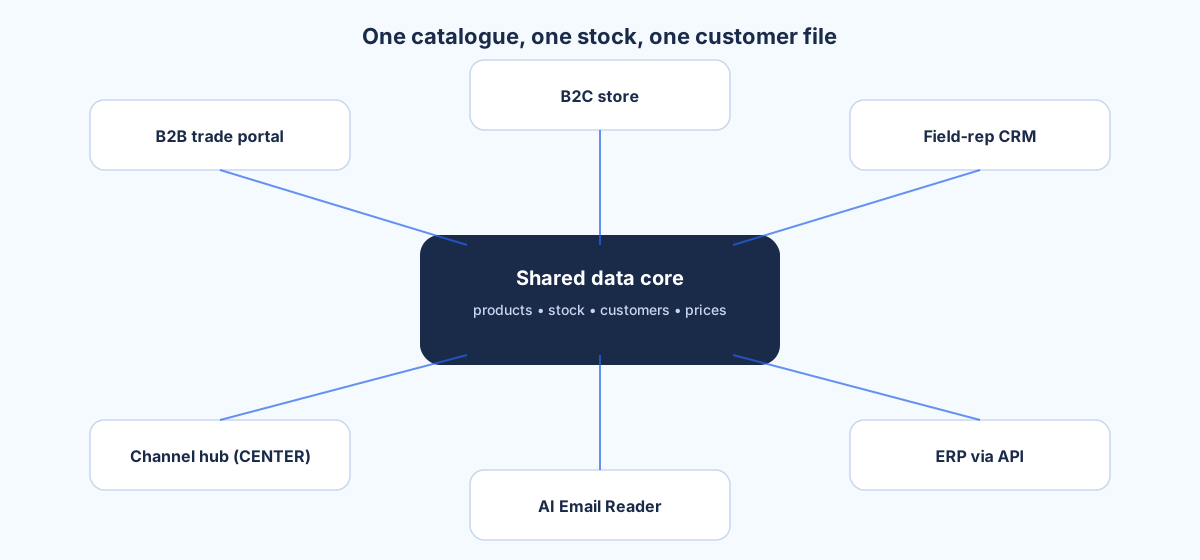
Running B2B and B2C on one platform means a single shared warehouse, product base and customer data feed two front ends at once: a trade portal for wholesale accounts and a retail store for end customers. Selldi, an all-in-one sales system for wholesalers and distributors, is built this way on purpose. The same product record and the same stock number sit behind both channels; what decides where a product appears is publication per channel, not a second copy of your catalogue. Wholesale keeps its net-price thinking and its account-specific pricing, retail shows gross prices with its own descriptions, reviews and coupons, and both draw down the same inventory so a sale in either channel reduces one shared stock figure. The result is one operation with two doors, instead of two systems you spend your evenings reconciling.
Why wholesalers drift into retail
Very few distributors set out to become retailers. They drift into it, and usually for good reasons. The first is end-of-line stock: every wholesaler accumulates short runs, discontinued lines and returned goods that trade customers no longer want in bulk but that end consumers will happily buy one at a time. Selling that stock retail turns dead inventory into cash instead of a write-off. The second is brand pull. Once a distributor is known for a category, end customers start finding them directly and asking to buy, and turning that demand away feels like leaving money on the table.
The third pressure comes from above. As more manufacturers open their own direct-to-consumer channels, distributors feel the ground shift and look for a way to reach end customers themselves rather than be disintermediated. None of these motives is a strategy on its own, but together they push a great many wholesalers toward a retail channel whether they planned one or not. The question is rarely whether to sell to consumers at all; it is whether to do it as a bolt-on that fights your wholesale business or as a channel that shares its plumbing.
The real pain is running two separate systems
The trouble starts when the retail channel lives in a different system from the trade one. Now you have two product databases, and every new item, photo, spec change and discontinuation has to be entered twice. Worse, you have two stock figures for the same physical goods, and they drift the moment both channels start selling. A pallet sells to a trade account in one system while the same items sit as available in the other, and eventually a consumer buys something that is already gone, or a trade customer is told an item is out while units sit unsold on the retail side. Reconciling those numbers by hand becomes a daily tax on someone's time.
Then there is the contradiction risk. Two systems mean two places prices are set, and sooner or later they disagree in a way a customer can see. The nightmare version is a trade buyer discovering that your public retail price on a line is close to, or below, the wholesale price you quoted them. That conversation is hard to recover from. When one platform holds the single product base and the single stock figure, these problems mostly cannot occur, because there is only one number to be wrong. That is the whole argument for one system over two: not elegance, but the absence of a class of errors that otherwise haunt you.
How channel publication actually works
The mechanism that makes one catalogue serve two audiences is publication per channel. A product exists once in the shared base, and you decide, per product, whether it appears in the B2B portal, in the B2C store, or in both. A core trade line can be wholesale-only. A consumer-friendly item can be retail-only. An end-of-line batch can be published to B2C as an outlet offer while the trade channel never shows it. Nothing is duplicated; you are simply flipping where an existing record is visible.
The retail channel then gets its own content layer on top of the shared product, without touching stock. Consumer-facing descriptions, SEO text, customer reviews, discount coupons and a newsletter that hands out a welcome coupon all belong to B2C and do nothing to your wholesale data. Meanwhile the wholesale side keeps working in net prices and account-specific terms as it always did. One product, one stock figure, two presentations: the trade buyer sees a net price and their agreed terms, the consumer sees a gross price with rich content, and behind both is the same item in the same warehouse.
Keeping prices honest between the channels
Sharing a platform does not mean sharing prices, and getting this right is what keeps the peace with your trade customers. In Selldi the two channels think about price differently by design. Wholesale is net-price and account-specific: each trade customer sees the price agreed with them, which is precisely the sort of number that must never leak. Retail is gross-price and public: the consumer sees one price with tax included, and that price knows nothing about what any trade account pays. Because trade pricing lives in the B2B side and is calculated per customer, a consumer browsing the retail store cannot see wholesale prices, and a retail price cannot expose the discount structure behind your accounts.
The discipline you have to supply yourself is the level of the retail price. The platform keeps the numbers separate; you keep them sensible. As a rule, set retail prices high enough that they sit clearly above your wholesale prices, so a trade buyer who wanders onto your consumer store finds nothing that undercuts what they were quoted. The outlet role for end-of-line stock is the safe exception, because those are lines your trade customers have already stopped buying in bulk. Handle the retail price deliberately and the two channels reinforce each other; handle it carelessly and you recreate, by your own hand, the contradiction that a single platform was supposed to prevent.
When not to open a B2C channel
The honest answer is that not every wholesaler should sell to consumers, and the reason is channel conflict. If your trade customers are shops and resellers who buy from you specifically to sell on to end consumers, then opening your own consumer store puts you in direct competition with the very customers who make up your business. To them it does not matter that your systems are tidy; it matters that their supplier is now bidding for their end customers. That resentment can cost you more in lost wholesale volume than a retail channel will ever earn.
So address it before you build, not after. If your buyers do not resell to consumers, or you serve different regions or product tiers than they do, the conflict may be minor and a retail channel is a clean addition. If they do resell the same goods to the same people, tread carefully: an outlet limited to end-of-line stock, or a clearly separate brand, may be as far as you can safely go. This is exactly where one platform helps rather than hurts. Selldi supports keeping the retail channel under its own content, name and presentation, so a distributor who wants brand or white-label separation between the wholesale and consumer faces can have it while still running one warehouse and one product base underneath. The technology lets you open a consumer channel; whether your commercial relationships can absorb it is a judgement only you can make, and it is better made with your eyes open than discovered in an angry phone call from your best trade account.
Frequently asked questions
Can consumers see B2B wholesale prices in the retail store?
No. Wholesale prices are net and calculated per trade account on the B2B side, while the retail store shows public gross prices only. A consumer browsing the store cannot reach the account-specific pricing behind your trade relationships.
Is stock separate or shared between B2B and B2C?
Shared. Both channels draw down the same inventory, so a sale in either one reduces a single stock figure. That is what prevents the stock drift you get when a trade system and a retail system each keep their own count of the same goods.
Can a product appear in only one channel?
Yes. Publication is decided per channel, so you can make a product wholesale-only, retail-only or visible in both. This is how an end-of-line batch can go to the consumer store as an outlet offer while never showing in the trade portal.
Can the retail channel have its own brand and content?
Yes. The B2C store has its own content layer, its own descriptions, reviews, coupons and newsletter, and can run under a separate brand or white-label presentation. The wholesale and consumer faces can look like different businesses while sharing one warehouse and product base underneath.
Will opening B2C upset my wholesale customers?
It can, if those customers resell the same goods to the same end consumers, because you would be competing with them. The safe paths are an outlet limited to end-of-line stock, a separate brand, or serving different regions or tiers than your trade accounts do. Decide this before you launch, not after.